
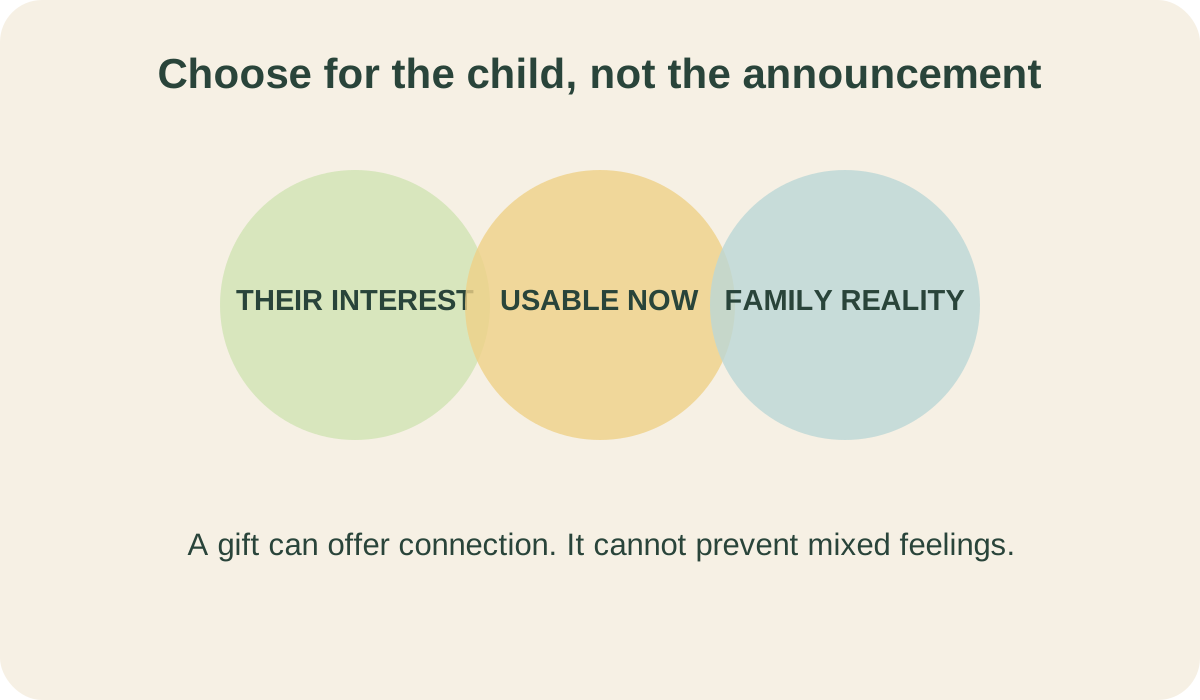
A good big-sibling gift says, “We still see you.” It does not say, “Now act delighted, help with the baby, and become grown-up overnight.” Start with what this child likes and what adults can realistically support during a demanding transition.
Choose the job the gift will do
| Useful job | Gift formats | Watch for |
|---|---|---|
| Preserve identity | Art material, building set, book in a favorite series | Avoid making every item sibling-themed |
| Create connection | A scheduled café date, park outing, game with an adult | Put the time on the calendar |
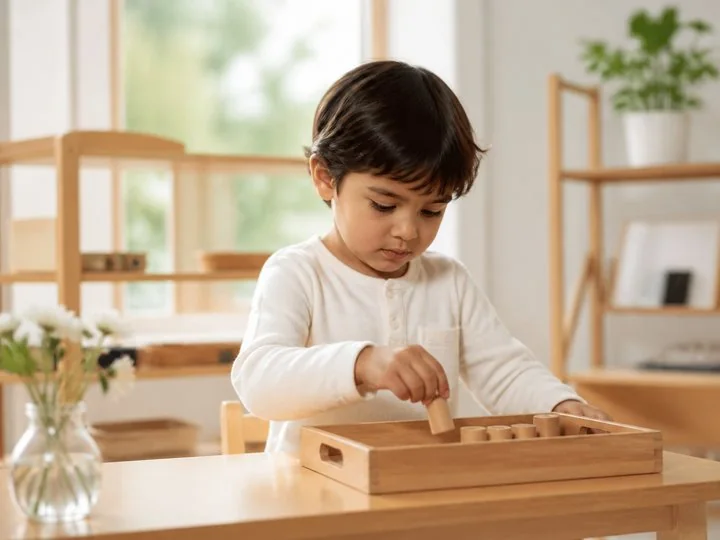
| Support independent starts | Audio story, reusable sticker scene, simple construction tray | Child should know how to begin |
| Make space for feelings | Puppets, drawing journal, open-ended figures | Do not interrogate the play |
| Mark growing skills | Realistic tool, craft or game matched to age | “Big kid” must not mean caregiver |
The gift does not need to reference the baby. In fact, a completely personal gift can be the clearest signal that the older child remains a whole person.
Match adult availability
The early weeks may include feeding, appointments, visitors and disrupted sleep. A 200-piece project that requires constant adult instruction can become a promise no one can keep. Prefer a familiar play language with a small new possibility.
For a three-year-old who builds, add a few large figures or vehicle parts to known blocks. For a six-year-old who draws, offer a portable case and a standing weekly drawing time. For an older child, an audiobook plus headphones used at a safe volume can offer private continuity; see our screen-free audio guide for ecosystem and privacy trade-offs.
Caretaking play is optional
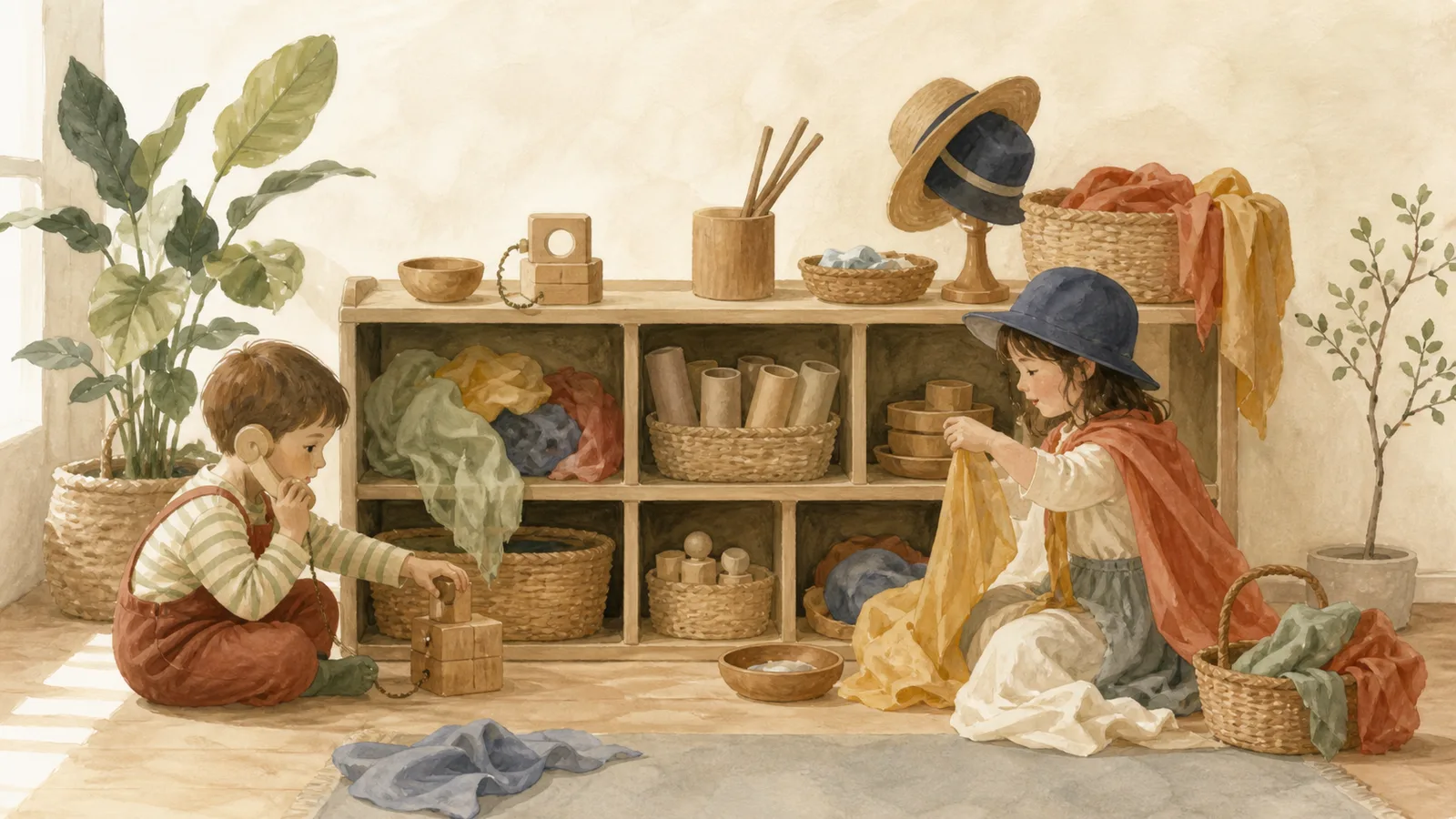
A doll, carrier or pretend clinic can be helpful when the child already rehearses family care through play. Keep the script open: the doll can sleep, travel, be a patient, become a superhero or be ignored. Our open-ended pretend-prop guide shows how neutral objects support more roles than a fixed kit.
Do not say the child must practice being a good sibling. Real infant care remains an adult responsibility. A child may participate in safe small ways when they choose and an adult directs them, but a gift should not assign that labor.
Gifts by age and play style
Ages two to three
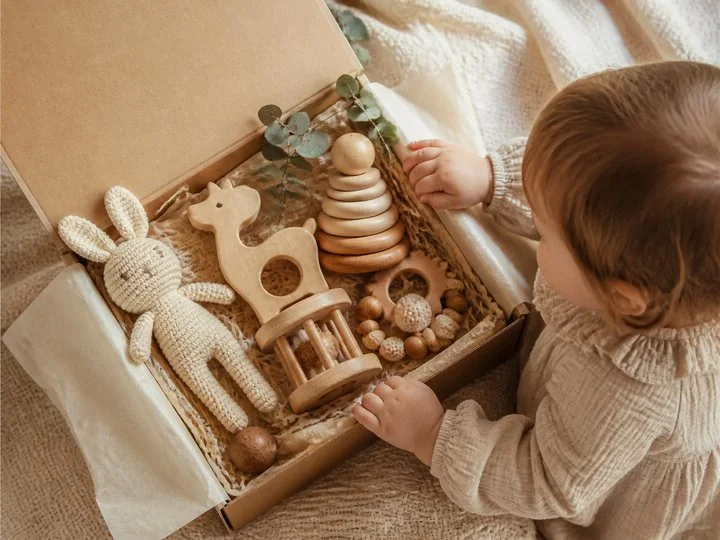
Choose a sturdy familiar-format item: large blocks, washable mark-making, one picture book, a simple vehicle or a doll if that interest already exists. Avoid introducing many loose small components during a household transition.
Ages three to four
Open-ended figures, dress-up cloths, play food, construction materials and reusable scene play can start without lengthy directions. If the child has plenty already, use the criteria in gifts for toy-rich preschoolers.
Ages five to seven
Consider a project with a stopping point, an age-suitable cooperative game, a field notebook, comic supplies or a pass for an outing with one adult. Be honest about when the shared time will happen.
Older children
Ask directly. A private reading light, craft consumables, sports time, room update, membership or one-to-one experience may fit better than a conventional toy. Do not make them perform surprise gratitude in front of visitors.
“From the baby” or from the adults?
Families use both stories. A symbolic gift “from the baby” can be playful for a child who understands it that way. It can also be confusing or feel manipulative. There is no developmental requirement. A straightforward “We chose this because we know you love drawing” is warm and credible.
Connection beyond the object
AAP guidance emphasizes preparing children honestly, maintaining routines when possible and making individual time. Pair the gift with one dependable ritual: ten minutes of reading, Saturday breakfast, a walk, or choosing music during bath setup. Small reliable contact is more useful than an extravagant promise.
Mixed feelings are normal. A child can love the baby and resent disruption. No gift prevents jealousy, regression or conflict. If behavior or distress is intense, persistent or concerning, seek individualized pediatric guidance rather than trying a bigger toy.
What not to give
Avoid loud equipment that disrupts infant sleep, sprawling sets without storage, age-inappropriate small parts in a mixed-age room, “best helper” messaging that pressures care, and projects that adults cannot support. For a lower-waste choice, the sustainable toy gift guide begins with longevity and recipient fit.
Sources and research note
Family-transition guidance comes from the AAP’s 2026 update on preparing a family for a new baby, its guidance on a new baby in the family, and sibling rivalry toward a newborn. Play selection uses Penn State Extension’s pretend-play resource and CPSC toy safety guidance. Product categories are editorial suggestions, not tested rankings.